←Back to blog
Outbound & Pipeline EngineeringPlaybookMay 20, 202663 min read
B2B Business Development Strategy: Complete Framework for Sustainable Growth [2026]
Modern B2B business development strategy combines buyer research, digital presence, and strategic partnerships to drive sustainable growth in 2026 and beyond.
Consider two companies selling into the same market. The first still runs business development the way it did in 2010. Its reps work a printed contact list, dial toward decision-makers at Fortune 500 accounts, and count progress in business cards collected at $500-a-seat networking events. Leadership is proud of the “old-school approach,” and the team’s email signatures still advertise decades of “relationship-building experience.”
The second company closed a $2.3 million deal with a buyer its team never met in person. The system behind it: they used LinkedIn to identify the buyer’s pain points, produced a personalized video addressing those specific challenges, and shared a case study that matched the buyer’s situation. First contact to signed contract took three weeks. The first company’s comparable deal ran six months of lunches, golf, and follow-up calls before the buyer chose a competitor who “just seemed to understand our business better.”
That gap is the reality facing every B2B organization in 2026. What separates the two companies is the system each one built around how modern buyers actually buy. The old playbook still consumes budget and headcount while quietly eroding growth, which makes the underlying system the first thing a revenue leader should evaluate.
The data explains why. Today, 91% of buyers arrive at sales meetings already familiar with the vendor, having researched extensively online before speaking to anyone in sales. Even with that preparation, 81% of buyers express dissatisfaction with their chosen providers. Only 9% consider vendor websites a reliable source of information, which leaves a wide gap between what buyers need and what most business development functions deliver.
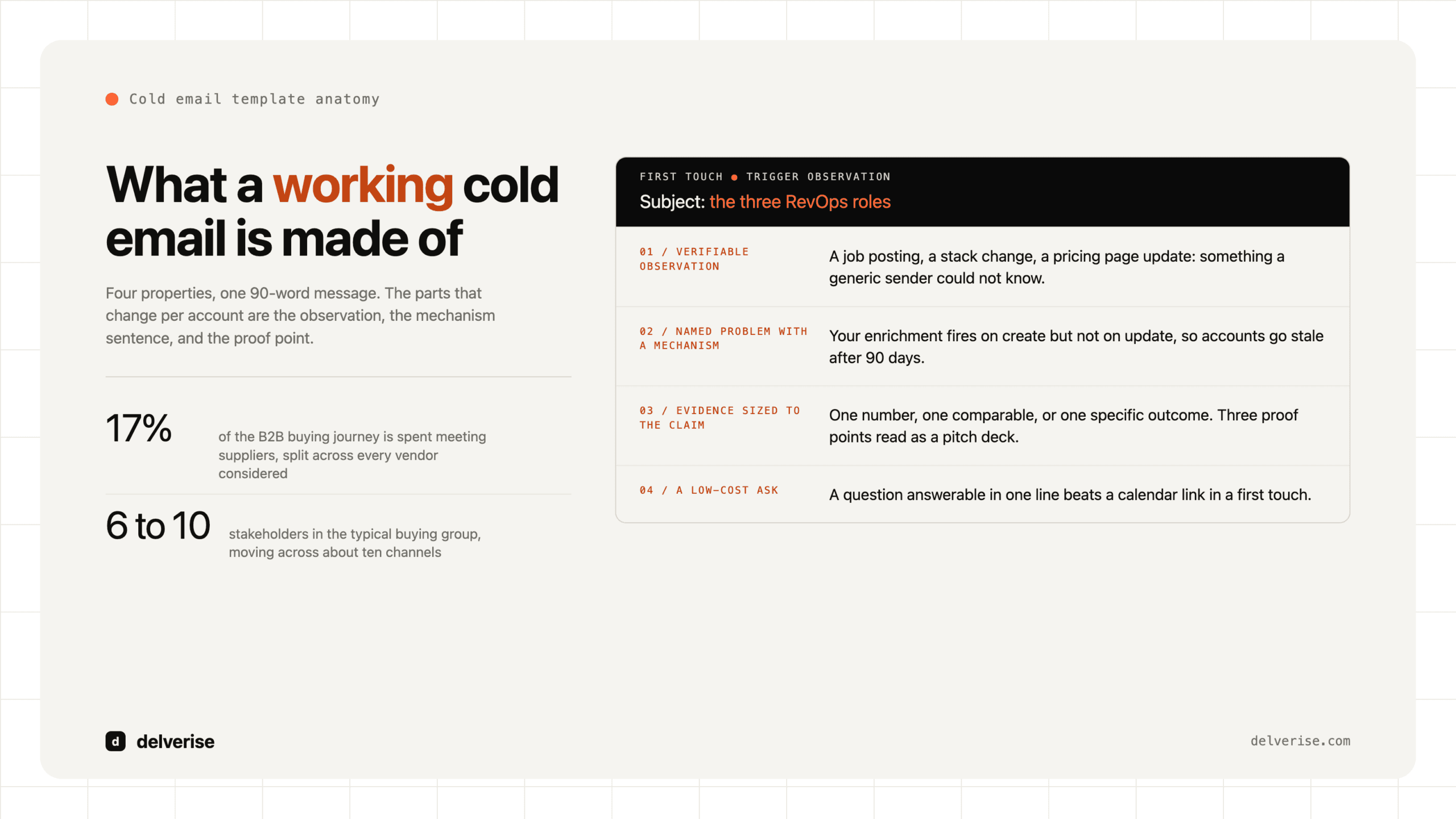
Gartner’s research on B2B buying behavior makes the shift explicit: ‘The typical buying group for a complex B2B solution involves six to 10 decision-makers, each armed with four or five pieces of information they’ve gathered independently.’ For revenue leaders, that means the business development function is no longer the first source of vendor information; it’s the last filter buyers apply to a decision they’ve largely already shaped.
The pattern is consistent: buyers are better informed and still making worse decisions. They are drowning in information but starving for insight. They research exhaustively and still choose solutions that fail to deliver the outcomes they need. For any company whose business development system is built to meet buyers in that state, this is a clear opening.
A function still organized around cold calls and networking lunches does more than miss opportunities. It steers prospects toward competitors who speak their language. Companies with modern business development systems grow 23% faster than those relying on traditional methods, and organizations using integrated business development approaches see 67% higher conversion rates.
This guide gives revenue leaders a framework for judging their own business development system: what an effective one looks like in 2026, where common setups break down, and which capabilities are worth investing in. The strategies that produced results five years ago now carry real cost, and the sections ahead show what has replaced them.
You will see the three pillars of modern business development that drive sustainable growth, the lead generation strategies that work without feeling like hunting, and the digital presence tactics that convert prospects into customers. You will also see how the strongest systems use technology without overwhelming the team, build partnerships that accelerate growth, and get implemented systematically rather than in fits and starts.
First, the elephant in the room: why much of what passes for business development best practice today is quietly working against your growth.
Answer: A modern B2B business development strategy is the operating model a company uses to create sustainable pipeline through ICP clarity, market signals, content, partnerships, outbound, CRM workflows, and sales follow-up. It replaces ad hoc networking and disconnected outreach with a measurable system for identifying the right accounts, building trust, creating qualified conversations, and turning those conversations into revenue.
- Market selection defines which accounts and segments are worth pursuing.
- Lead generation creates the demand and account flow the team can act on.
- Digital presence gives buyers proof before they speak with sales.
- Technology and data connect scoring, routing, outreach, measurement, and handoff.
- Partnerships expand reach through trusted channels and ecosystem leverage.
Why Old-School Business Development Is Dead (And What’s Working Now)
The Great Networking Lunch Extinction
The result? Zero qualified leads. Not a single deal in the pipeline.
This story illustrates a fundamental shift that many business development professionals are struggling to accept: the channels that built careers in the past are less effective today, and they’re often counterproductive.
The Evolution Reality Check
The business development landscape has undergone three distinct evolutionary phases, each fundamentally changing how buyers and sellers interact:

The Traditional Era (2010-2015) was dominated by interruption-based marketing. Cold calls worked because buyers had limited access to information. Trade shows were effective because they were one of the few places buyers could compare multiple solutions. Networking events generated real business because relationships were the primary source of market intelligence.
The Digital Transition (2016-2020) saw the rise of content marketing and social selling, but many organizations treated these as add-ons to their existing strategies rather than fundamental shifts. Companies that succeeded during this period were those that recognized digital channels represented entirely new ways of building relationships and creating value.
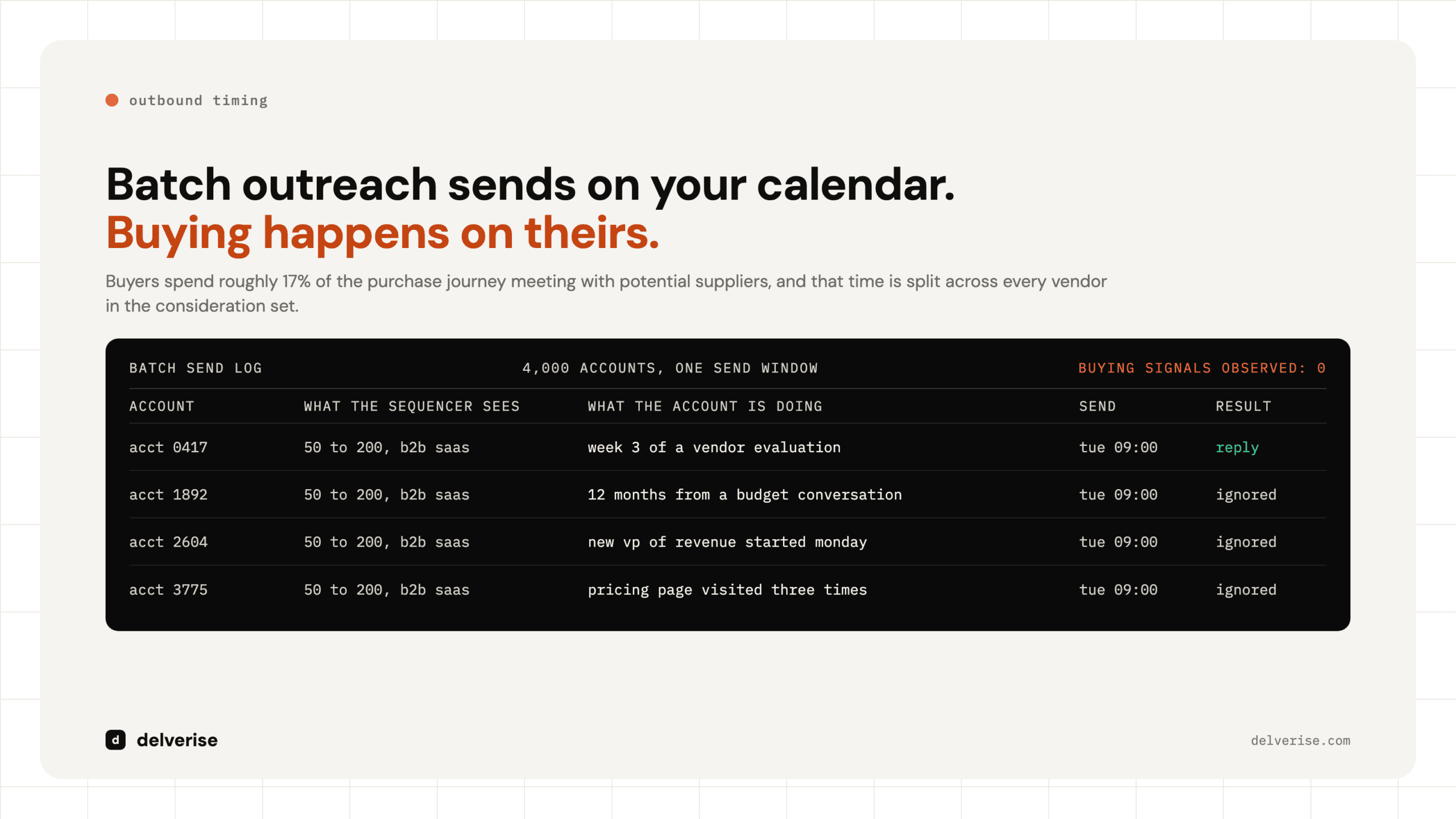
The Buyer-Led Era (2021-2026) represents the current reality where 97% of buyers check vendor websites before engaging, and 85% have largely established their purchase requirements before contacting sellers. This represents a complete restructuring of the buyer’s journey.
Forrester reinforces the scale of the change: ‘Buyers are now spending more time independently researching solutions than they spend interacting with sellers across all stages of the buying journey combined.’ The implication for business development is structural, not tactical: outreach has to earn a place inside a decision process buyers are running on their own terms.
Looking ahead to 2026 and beyond, we’re entering what I call the AI-Enhanced Relationship Era, where artificial intelligence amplifies human connection rather than replacing it. The winners will be those who use technology to deliver more personalized, valuable, and timely interactions at scale.
Why Buyers Have Changed (And Why It Matters)
Today’s B2B buyers are operating in a completely different reality than buyers from even five years ago. Understanding this shift is crucial for anyone serious about business development success.
Research Independence has become the norm. Buyers now conduct extensive research before ever engaging with vendors. They read reviews, compare features, analyze case studies, and often have a shortlist of preferred solutions before making their first sales call. This means that by the time they contact you, they’ve already formed opinions about your solution, your competitors, and what success looks like.
Committee Complexity has exploded. The average B2B purchase now involves 6.8 stakeholders, each with different priorities, concerns, and decision-making criteria. These stakeholders often don’t communicate effectively with each other, leading to misaligned expectations and prolonged decision cycles. The business development professional who can navigate this complexity and help align stakeholders has a massive advantage.
Information Skepticism is at an all-time high. While buyers are doing more research than ever, 73% believe they regularly or sometimes see fake reviews online. They’re simultaneously hungry for information and skeptical of the information they find. This creates an opportunity for businesses that can provide genuinely helpful, transparent, and credible content.
Outcome Focus has replaced feature focus. Modern buyers don’t care about your product’s bells and whistles. They care about the business outcomes you can deliver. They want to know how you’ll help them increase revenue, reduce costs, improve efficiency, or mitigate risks. The shift from “what it does” to “what it achieves” is fundamental to modern business development success.
The Cost of Sticking to Old Methods
Organizations that haven’t adapted to these changes are actively damaging their market position and missing opportunities. The data on traditional business development effectiveness is sobering:
Decreased Response Rates across traditional channels have reached crisis levels. Cold calling success rates have dropped 70% since 2019, with average response rates now below 2%. Cold email campaigns that once generated 15-20% open rates now struggle to reach 5%. Even worse, these low response rates often come with negative brand impact, as prospects increasingly view unsolicited outreach as spam.
Longer Sales Cycles are the inevitable result of misaligned approaches. When your business development strategy doesn’t match how buyers want to buy, every interaction becomes friction. Traditional methods now add an average of 3-6 months to deal cycles, as prospects need additional time to overcome skepticism and build trust.
Higher Customer Acquisition Costs are crushing profitability. Companies relying primarily on traditional business development methods report customer acquisition costs 40% higher than those using modern approaches. This goes beyond the direct costs of activities. The opportunity cost of inefficient resource allocation compounds the problem.
Competitive Disadvantage compounds over time. When your competitors are meeting buyers where they are and speaking their language, sticking to outdated approaches makes you irrelevant. Organizations using modern business development methods win 67% more competitive deals than those using traditional approaches.
What’s Actually Working Now
The good news is that while traditional methods are failing, new approaches are delivering unprecedented results for organizations that implement them correctly. Here’s what’s driving real business development success in 2026:
Buyer-Centric Content has become the foundation of effective business development. 60% of B2B buyers make their final purchase decisions based on digital content, but not any content will do. Buyers want content that addresses their specific challenges, speaks their language, and provides genuine value. The most successful business development professionals have become content creators, sharing insights, frameworks, and solutions that position them as trusted advisors before any sales conversation begins.
Social Selling has evolved far beyond posting on LinkedIn. 75% of B2B buyers use social media to help make their buying decisions, but they’re looking for authentic expertise, not sales pitches. The most effective social sellers share industry insights, comment thoughtfully on prospects’ content, and build relationships through value-first interactions.
AI-Enhanced Personalization is delivering 2.5x higher conversion rates compared to traditional lead generation campaigns. The goal is to use artificial intelligence to understand buyer behavior, predict needs, and deliver the right message at the right time through the right channel, rather than simply sending more emails.
Partnership-Driven Growth has become a critical competitive advantage. Strategic alliances and referral partnerships now account for 30% of revenue growth for high-performing B2B organizations. The most successful business development professionals have learned to build ecosystems rather than customer relationships alone.
The transformation from traditional to modern business development is about fundamentally rethinking how you create value for buyers throughout their journey. It goes beyond simply adopting new tools or tactics. Organizations that make this shift see more than incremental improvements; they often experience breakthrough growth that seemed impossible with traditional methods.
You should modernize your business development approach. The real consideration is whether you can afford not to. Your competitors are already making this transition, your buyers are demanding it, and your growth depends on it.
The Modern Business Development Foundation (That Actually Works)
The Three-Pillar Transformation
The Three-Pillar Business Development System
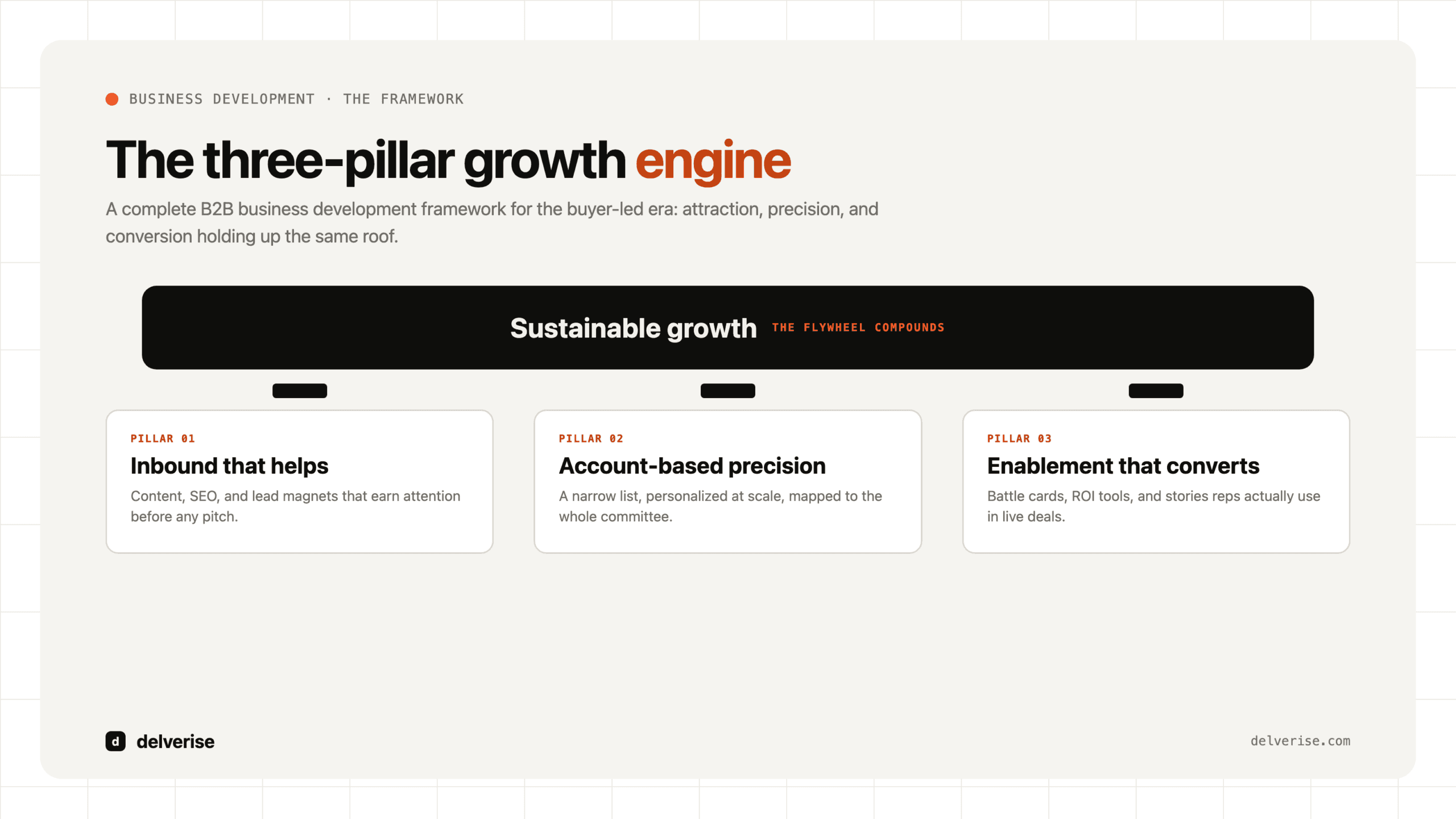
The foundation of modern business development rests on three interconnected pillars that work together to create a sustainable growth engine. Unlike traditional approaches that treat different business development activities as separate functions, this system recognizes that today’s buyers expect a seamless, integrated experience across all touchpoints.

Pillar 1: Inbound Marketing That Doesn’t Feel Like Marketing
The first pillar focuses on attracting the right prospects by providing genuine value before any sales conversation begins. The goal is to create content that solves real problems and positions your organization as the obvious choice when buyers are ready to make a decision.
Content That Solves Problems forms the foundation of effective inbound marketing. The most successful business development organizations have shifted from creating content about their solutions to creating content about their prospects’ challenges. Instead of whitepapers titled “10 Features That Make Our Software Better,” they’re creating resources like “The CFO’s Guide to Reducing Month-End Close Time by 50%.”
This approach works because it aligns with how buyers actually research solutions. They don’t start by searching for your product category. They start by searching for solutions to their problems. When your content appears in those searches and provides genuine value, you’re generating leads, building trust, and establishing expertise before any sales conversation begins.
SEO That Works in the B2B context is fundamentally different from B2C SEO. B2B buyers use different search terms, have longer consideration cycles, and often research solutions over several months. Organic search is responsible for 76% of trackable B2B website traffic, making it the single most important source of qualified prospects for most organizations.
The key is understanding that B2B SEO is about ranking for problem-related keywords throughout the buyer’s journey, beyond product-related keywords alone. This means creating content that addresses early-stage research queries like “how to improve sales productivity” as well as late-stage comparison queries like “Salesforce vs HubSpot for small businesses.”
Lead Magnets That Convert have evolved far beyond generic whitepapers and ebooks. Today’s most effective lead magnets are interactive tools, calculators, assessments, and templates that provide immediate value. A ROI calculator that helps prospects quantify the potential impact of your solution is infinitely more valuable than a 20-page PDF about industry trends.
The best lead magnets also serve as qualification tools. A well-designed assessment captures contact information and provides insights into the prospect’s specific challenges, priorities, and readiness to buy. This information becomes invaluable for personalizing follow-up communications and determining the most appropriate next steps.
Nurture Sequences That Build Trust recognize that most prospects aren’t ready to buy when they first engage with your content. 50% of B2B buyers go through at least 8 pieces of content while purchasing, and the organizations that guide this journey most effectively are the ones that win the deal.
Effective nurture sequences provide value at each stage of the buyer’s journey. Early-stage content focuses on education and problem identification. Middle-stage content introduces potential solutions and frameworks for evaluation. Late-stage content provides social proof, addresses specific objections, and facilitates decision-making.
Pillar 2: Account-Based Strategies Without the PhD
The second pillar focuses on identifying and engaging high-value prospects with personalized, relevant outreach. This is about understanding specific accounts deeply enough to provide genuine value in every interaction, rather than sending mass emails with the prospect’s name in the subject line.
Simple Account Selection starts with clarity about your Ideal Customer Profile (ICP). Too many organizations try to be everything to everyone, which makes it impossible to create truly relevant, personalized outreach. The most successful account-based strategies focus on a narrow set of accounts that represent the highest probability of success and the greatest potential value.
The key is balancing firmographic criteria (company size, industry, geography) with behavioral indicators (recent funding, leadership changes, technology implementations) and intent signals (content consumption, search behavior, competitive research). This combination helps identify accounts that are a good fit and likely to be in an active buying cycle.
Personalized Outreach at Scale seems like an oxymoron, but technology has made it possible to deliver genuinely personalized communications to hundreds or even thousands of prospects. The secret is using automation to handle research and personalization while keeping human judgment and creativity in the actual messaging.
This might mean using AI to identify recent company news, funding announcements, or personnel changes, then crafting personalized messages that reference these developments in the context of your solution’s value proposition. The technology handles the research and initial personalization, but humans craft the messaging and determine the appropriate approach for each account.
Multi-Touch Campaigns recognize that modern buyers need multiple exposures to your message before they’re ready to engage. However, effective multi-touch campaigns are about providing different types of value across different channels over time, rather than simply about frequency.
A well-designed campaign might start with a personalized LinkedIn connection request, followed by sharing relevant content, then a personalized email with a specific insight about their industry, followed by a phone call that references previous touchpoints. Each interaction builds on the previous ones, creating a cohesive narrative that demonstrates expertise and genuine interest in the prospect’s success.
Stakeholder Mapping acknowledges that B2B purchases involve multiple decision-makers, each with different priorities and concerns. The average B2B purchase involves 6.8 stakeholders, and successful business development requires engaging with all of them effectively.
This means understanding who the stakeholders are, what they care about, how they prefer to communicate, and what role they play in the decision-making process. The economic buyer cares about ROI and risk mitigation. The technical evaluator cares about functionality and integration. The end user cares about ease of use and productivity impact. Effective account-based strategies deliver different messages to different stakeholders while maintaining a consistent overall narrative.
Pillar 3: Sales Enablement Your Team Will Actually Use
The third pillar ensures that when prospects are ready to engage in sales conversations, your team has everything they need to convert interest into revenue. The goal is to create the right materials and make them easily accessible when they’re needed most.
Battle Cards That Work provide competitive intelligence in formats that sales teams can actually use during conversations. Too many battle cards are comprehensive documents that no one reads. The most effective battle cards are concise, scannable resources that highlight key differentiators, address common objections, and provide specific talk tracks for different scenarios.
The best battle cards also include customer success stories that illustrate competitive advantages in real-world contexts. Instead of just saying “we’re more secure than Competitor X,” they provide specific examples of customers who chose your solution over Competitor X because of security features and the business outcomes they achieved.
Objection Handling Scripts based on real buyer concerns rather than assumptions help sales teams navigate difficult conversations with confidence. The most effective objection handling resources provide responses and help salespeople understand the underlying concerns behind common objections and address those concerns directly.
For example, when a prospect says “your solution is too expensive,” the underlying concern might be about ROI, budget constraints, or risk aversion. Effective objection handling helps salespeople diagnose the real concern and respond appropriately, rather than just defending the price.
ROI Calculators and value assessment tools help prospects quantify the potential impact of your solution in their specific context. These tools serve multiple purposes: they help prospects build internal business cases, they provide frameworks for value-based selling conversations, and they generate data that can be used to refine your value proposition over time.
The most effective ROI calculators are based on real customer data and provide conservative, realistic projections rather than inflated promises. They also help prospects understand the cost of inaction alongside the benefits of action.
Case Study Libraries organized by industry, use case, and buyer persona ensure that sales teams can quickly find relevant success stories for any situation. The most effective case studies describe what you did and tell stories about transformation, focusing on the customer’s journey from problem to solution to outcome.
How the Pillars Work Together: The Flywheel Effect
The real power of the Three-Pillar System comes from how the pillars reinforce each other, creating what I call the Business Development Flywheel. Each pillar feeds into and amplifies the others, creating momentum that compounds over time.
Inbound attracts and educates prospects, bringing qualified leads into your pipeline while establishing your organization’s expertise and credibility. This content also serves as a resource for account-based outreach, providing valuable assets to share with targeted prospects.
Account-based strategies personalize and accelerate qualified accounts, taking the prospects attracted through inbound marketing and providing the personalized attention that moves them toward a purchase decision. The insights gained from account-based interactions also inform content creation, ensuring that inbound marketing addresses real buyer concerns and interests.
Sales enablement converts and closes deals, providing the tools and resources needed to turn interested prospects into customers. The conversations and objections that arise during the sales process inform both content creation and account-based messaging, creating a continuous feedback loop that improves all three pillars over time.
Success stories fuel more inbound content, as satisfied customers become case studies, testimonials, and referral sources. These success stories also provide social proof for account-based outreach and sales conversations, completing the flywheel cycle.
The beauty of this system is that it becomes more effective over time. Each successful customer provides more content, more social proof, and more referral opportunities. Each piece of content attracts more qualified prospects. Each account-based interaction provides more insights for personalization and content creation.
Tool Integration Made Simple
The Three-Pillar System doesn’t require complex technology implementations or massive budget investments. The key is choosing tools that integrate well with each other and support your specific business development processes.
HubSpot for Inbound Marketing provides content management, lead capture, email marketing, and basic CRM functionality in a single platform. This integration ensures that prospects have a consistent experience from first content interaction through sales conversations. The platform also provides analytics that help you understand which content is most effective at attracting and converting prospects.
Salesforce for Account-Based Marketing offers advanced account intelligence, opportunity management, and sales process automation. The platform’s integration capabilities allow you to connect account-based activities with inbound marketing efforts, creating a complete view of each prospect’s journey.
Sales Enablement Platforms like Highspot or Seismic provide content management, usage tracking, and sales training capabilities that ensure your team has access to the right resources at the right time. These platforms also provide analytics that help you understand which content is most effective in sales conversations.
The key to successful tool integration is starting simple and adding complexity gradually. Begin with core functionality in each pillar, ensure your team is using the tools effectively, then add advanced features and integrations over time.
The same framework can work for your organization, regardless of size, industry, or current business development maturity. The key is understanding that modern business development is about integrating the best elements of each approach into a cohesive system that serves today’s buyers effectively.
Lead Generation That Doesn’t Feel Like Hunting
From Feast or Famine to Predictable Pipeline
The secret was building a diversified portfolio of lead generation activities that worked together to create consistent results, rather than finding one magic channel that solved all their problems.
The Lead Generation Mix-and-Match System
Modern lead generation is about creating a portfolio of activities that complement each other and provide consistent results over time, rather than finding the one perfect channel. The most successful business development organizations use what I call the 70-20-10 approach to channel portfolio management.

The 70-20-10 Channel Portfolio Rule
70% of your effort should focus on proven channels that consistently generate qualified leads for your business. These are typically channels like SEO and content marketing, referral programs, and social selling that have demonstrated ROI and can be scaled predictably. The key is not to get bored with these channels just because they’re working. Consistency in proven channels is what creates predictable pipeline.
20% of your effort should explore emerging channels that show promise but haven’t yet been fully optimized. These might include partnership programs, webinar series, podcast sponsorships, or industry-specific platforms. The goal is to test these channels systematically, measure their effectiveness, and either scale them up to the 70% category or eliminate them if they don’t perform.
10% of your effort should be dedicated to experimental approaches that might seem unconventional but could provide breakthrough results. This might include new social media platforms, innovative content formats, or creative partnership opportunities. Most of these experiments will fail, but the ones that succeed can become significant growth drivers.
This approach ensures that you always have a stable foundation of lead generation while continuously improving and adapting to changing market conditions.
The Lead Generation Channel Matrix
Understanding the characteristics of different lead generation channels helps you make informed decisions about where to invest your time and resources. Here’s how the most common B2B lead generation channels compare across key dimensions:
| Channel | Time to Results | Investment Level | Scalability | Quality Score | Sustainability |
|---|---|---|---|---|---|
| SEO/Content Marketing | 3-6 months | Low-Medium | High | 9/10 | High |
| Social Selling | 1-3 months | Low-Medium | Medium | 8/10 | Medium |
| Referral Programs | Immediate | Low | Low-Medium | 10/10 | High |
| Paid Advertising | Immediate | High | High | 6/10 | Low |
| Partnership Programs | 2-4 months | Low | High | 9/10 | High |
| Cold Outreach | Immediate | Medium | Medium | 4/10 | Low |
| Webinars/Events | 1-2 months | Medium | Medium | 7/10 | Medium |
| Industry Publications | 2-3 months | Medium | Low | 8/10 | Medium |
This matrix helps you understand the trade-offs involved in different approaches. For example, paid advertising can generate immediate results and scale quickly, but it typically produces lower-quality leads and isn’t sustainable without continuous investment. SEO and content marketing take longer to show results but produce high-quality leads sustainably over time.
The most effective lead generation strategies combine channels with different characteristics to create a balanced portfolio. You might use paid advertising to generate immediate results while building your SEO and content marketing foundation for long-term sustainability.
Lead Qualification That Makes Sense
Generating leads is only half the battle. The other half is identifying which leads are worth pursuing and which ones will waste your team’s time. Traditional qualification frameworks like BANT (Budget, Authority, Need, Timeline) were designed for a different era when salespeople controlled information access. Today’s buyers often have budget allocated, clear timelines, and well-defined needs before they ever contact a vendor.

The IMPACT Qualification System
Modern lead qualification requires a more nuanced approach that recognizes how today’s buyers research and make decisions. The IMPACT system provides a framework for evaluating prospects across six critical dimensions:
Interest goes beyond simple engagement metrics to assess genuine buying intent. A prospect who downloads multiple pieces of content, attends webinars, and engages with your social media posts is demonstrating higher interest than someone who simply filled out a form. The key is looking for patterns of behavior that indicate serious research rather than casual browsing.
Money is about having budget allocated for your type of solution. A company might have millions in revenue but no budget for new technology implementations. Conversely, a smaller company might have specifically allocated funds for solving the problem you address. The qualification process should focus on budget allocation and decision-making authority rather than just company size.
Pain assessment requires understanding what problems the prospect has and how urgent and important those problems are to their business. A prospect might acknowledge that they have inefficiencies in their current process, but if those inefficiencies are tolerable, prospects are unlikely to prioritize a solution. The most qualified prospects are those experiencing pain that’s urgent, important, and expensive to ignore.
Authority in modern B2B sales is rarely concentrated in a single person. Instead of looking for “the decision maker,” focus on understanding the decision-making process and identifying all the stakeholders involved. A prospect might not have final approval authority but could be the primary influencer or the person responsible for vendor evaluation.
Chronology involves understanding when the prospect wants to make a decision and what events or circumstances are driving their timeline. A prospect who says they want to implement a solution “sometime this year” is less qualified than one who says they need to have something in place before their busy season starts in three months.
Trust is often overlooked in traditional qualification frameworks, but it’s critical in today’s skeptical buying environment. A prospect who is transparent about their challenges, responsive to communications, and willing to invest time in discovery conversations is more likely to become a customer than one who is evasive or unresponsive, regardless of their apparent fit on other criteria.
Creating Your Ideal Customer Profile Without Overthinking
One of the biggest mistakes organizations make in lead generation is trying to appeal to everyone. The fear of missing opportunities leads to generic messaging that doesn’t resonate with anyone. The most effective lead generation starts with crystal clarity about who you serve best and what problems you solve most effectively.
The ICP Clarity Framework
Analyze Your Best Customers by looking at your top 20% of customers, those who pay the most, stay the longest, refer others, and are generally the most satisfied with your solution. What characteristics do they share? Look beyond company size or industry to business models, growth stages, technology stacks, and organizational priorities.
Look for patterns in how these customers found you, what initially attracted them to your solution, and what ultimately convinced them to buy. Understanding the journey of your best customers provides a roadmap for attracting more customers like them.
Identify Pain Points You Solve Best by examining the specific problems your solution addresses most effectively. Every solution can theoretically solve multiple problems for multiple types of customers, but most solutions have a “sweet spot” where they provide disproportionate value.
Focus on the problems where your solution provides 10x better outcomes than alternatives, rather than marginally better results. These are the problems that create urgency, justify investment, and generate customer advocacy.
Map Buying Behavior Patterns by understanding how your ideal customers research solutions, make decisions, and implement changes. Do they typically start with internal research or external consultants? Do they prefer detailed RFPs or informal evaluations? Do they make decisions quickly or take months to evaluate options?
Understanding these patterns helps you align your lead generation and sales processes with how your ideal customers prefer to buy, reducing friction and increasing conversion rates.
Define Firmographics and Psychographics by identifying both the quantifiable characteristics (company size, industry, geography, revenue) and the qualitative attributes (growth mindset, technology adoption, risk tolerance) that define your ideal customers.
Firmographics help you identify potential customers, but psychographics help you understand how to communicate with them effectively. A fast-growing startup and an established enterprise might both be good fits for your solution, but they’ll respond to very different messaging and approaches.
Balancing Quantity with Quality in Your Pipeline
One of the most common debates in business development is whether to focus on generating more leads or better leads. The answer is that you need both, but in the right proportions for your business model and sales process.
The Pipeline Health Metrics Framework
Lead Volume provides the foundation for predictable revenue growth. You need a consistent flow of new prospects entering your pipeline to replace those who don’t convert and to fuel growth. The key is understanding your conversion rates at each stage of the pipeline so you can work backward from revenue goals to determine how many leads you need to generate.
Most organizations underestimate the lead volume required to hit their revenue targets because they’re overly optimistic about conversion rates. A realistic assessment of your sales process performance is essential for setting appropriate lead generation goals.
Lead Quality determines how efficiently your sales team can convert prospects into customers. High-quality leads require less time and effort to close, have higher average deal sizes, and are more likely to become long-term customers. However, focusing exclusively on quality can limit your pipeline volume and growth potential.
The key is defining quality criteria that align with your business objectives. If your goal is rapid growth, you might accept lower-quality leads that can be converted quickly. If your goal is building long-term customer relationships, you might focus on higher-quality leads that take longer to close but provide more lifetime value.
Conversion Rates at each stage of your pipeline provide insights into the effectiveness of your lead generation and sales processes. Low conversion rates from lead to opportunity might indicate poor lead quality or inadequate qualification. Low conversion rates from opportunity to closed deal might indicate sales process issues or misaligned value propositions.
Tracking conversion rates over time helps you identify trends and make data-driven improvements to your lead generation strategy.
Velocity measures how quickly prospects move through your pipeline from first contact to closed deal. Faster velocity means more efficient resource utilization and faster revenue recognition. However, pushing prospects through the pipeline too quickly can reduce conversion rates and customer satisfaction.
The goal is finding the optimal balance between speed and thoroughness that maximizes both conversion rates and sales efficiency.
Customer Lifetime Value provides the ultimate measure of lead generation effectiveness. Leads that convert into high-value, long-term customers are worth much more than leads that result in small, one-time purchases. Understanding the lifetime value of customers from different lead sources helps you allocate resources to the most profitable channels.
Advanced Lead Generation Strategies
Once you have the fundamentals in place, there are several advanced strategies that can significantly amplify your lead generation results:
Intent Data Integration allows you to identify prospects who are actively researching solutions in your category, even if they haven’t directly engaged with your content. Companies using intent data increase conversion rates by 2.5x compared to traditional lead generation campaigns.
Account-Based Lead Generation focuses your efforts on specific high-value accounts rather than casting a wide net. This approach typically generates fewer total leads but much higher conversion rates and deal sizes.
Partner-Driven Lead Generation leverages relationships with complementary service providers, technology partners, and industry influencers to access new audiences and gain credibility through association.
Community Building creates ongoing relationships with prospects and customers through forums, user groups, and industry communities. This approach generates leads continuously over time rather than through discrete campaigns.
The key to advanced lead generation is not implementing every possible strategy, but choosing the approaches that align with your resources, capabilities, and target market characteristics.
The same systematic approach can work for any organization willing to move beyond the “spray and pray” mentality and build a true lead generation system. The key is starting with a clear understanding of your ideal customer, implementing proven channels consistently, and continuously testing and optimizing your approach based on results.
Digital Presence That Actually Converts
The Old-School Rep Goes Digital
The Digital-First Relationship Building Plan
The most successful business development professionals have learned that digital presence is about scaling human connection rather than replacing it. The Digital-First Relationship Building Plan provides a framework for using technology to build deeper, more meaningful relationships with more prospects than traditional methods ever allowed.
Building Authentic Digital Presence
Authenticity in digital business development means being genuinely helpful rather than promotional, transparent about your expertise and limitations, and consistent in your values and messaging across all platforms. The TRUST Digital Framework provides a structure for building authentic digital presence that attracts prospects and builds credibility over time.
Transparency means sharing real insights, challenges, and perspectives rather than just polished marketing messages. The most effective business development professionals share their failures as well as their successes, their questions as well as their answers. This transparency builds credibility because it demonstrates that you’re a real person dealing with real challenges, rather than a marketing persona.
For example, instead of posting “Our solution helped Company X achieve 50% efficiency gains,” try “Here’s what we learned from a recent implementation that didn’t go as planned, and how we turned it around.” The second approach is more transparent, more educational, and more likely to generate meaningful engagement.
Relevance requires understanding your audience deeply enough to create content that addresses their specific challenges, interests, and priorities. This goes beyond demographic targeting to psychographic understanding, knowing what your prospects do, how they think, what they worry about, and what success looks like to them.
The most relevant content often comes from direct customer interactions. The questions prospects ask during sales calls, the objections they raise, and the outcomes they care about most provide endless material for relevant content creation.
Utility means providing immediate value in every interaction, whether that’s a social media post, an email, or a piece of content. The best business development content informs and enables action. This might be a template, a checklist, a calculator, or a framework that prospects can use immediately to improve their business.
Utility-focused content also serves as a qualification tool. Prospects who download and use your resources are demonstrating higher engagement and buying intent than those who simply consume passive content.
Story creates emotional connection and makes abstract concepts concrete and memorable. The most effective business development professionals are skilled storytellers who can illustrate complex ideas through customer success stories, personal experiences, and industry examples.
Stories also provide social proof in a way that statistics and features cannot. When you tell the story of how you helped a customer overcome a specific challenge, prospects with similar challenges can envision themselves achieving similar outcomes.
Timeliness means staying current with industry trends, market developments, and changing customer needs. This doesn’t mean chasing every new trend, but it does mean understanding how external factors are affecting your prospects and adapting your messaging accordingly.
Timely content often performs better because it addresses current concerns and demonstrates that you’re plugged into the market dynamics affecting your prospects’ businesses.
Social Selling That Builds Relationships
Social selling has evolved far beyond posting promotional content on LinkedIn. The most effective social sellers use social media platforms as relationship-building tools, focusing on providing value and building trust rather than generating immediate sales opportunities.
The Social Selling Success System provides a structured approach to building relationships through social media that feels natural and authentic rather than pushy or sales-focused.
Profile Optimization creates a professional but personable presence that clearly communicates your expertise and value proposition. Your profile should answer three questions for prospects: Who are you? What do you do? How can you help me? The most effective profiles balance professional credibility with personal authenticity, showing both expertise and humanity.
Your profile should also include clear calls-to-action that make it easy for interested prospects to take the next step, whether that’s downloading a resource, scheduling a call, or connecting for further conversation.
Content Strategy follows the 80/20 rule: 80% value-focused content that educates, informs, or entertains your audience, and 20% promotional content that highlights your solutions or achievements. The value-focused content builds trust and demonstrates expertise, while the promotional content provides social proof and clear calls-to-action.
The most effective content strategies also include a mix of original content, curated content with your commentary, and engagement with others’ content through thoughtful comments and shares.
Engagement Approach focuses on building relationships through meaningful interactions rather than broadcasting messages. This means commenting thoughtfully on prospects’ posts, sharing their content with your network, and engaging in industry discussions in ways that demonstrate expertise and add value.
The key is engaging authentically rather than strategically. Comment because you have something valuable to add to the conversation, not because you’re trying to get noticed by a prospect.
Relationship Nurturing involves maintaining regular, valuable contact with prospects over time, even when they’re not actively buying. This might involve sharing relevant articles, congratulating them on achievements, or simply checking in periodically to see how their business is evolving.
The most successful social sellers maintain relationships with hundreds of prospects simultaneously, providing value consistently over months or years until those prospects are ready to buy.
Conversion Tactics involve making soft asks that feel natural within the context of the relationship you’ve built. Instead of immediately pitching your solution, you might offer to share a relevant case study, invite them to a webinar, or suggest a brief call to discuss a challenge they’ve mentioned.
The key is making asks that provide value to the prospect rather than just advancing your sales process.
Content Marketing People Want to Read and Share
Content marketing in B2B business development focuses on creating content that genuinely helps your prospects solve problems, make decisions, and achieve their goals, rather than simply creating more content. The most effective content marketing strategies focus on quality over quantity and utility over promotion.
The Content Engagement Formula provides a framework for creating content that generates meaningful engagement and drives business development results.
Problem-First Approach means starting with your prospects’ challenges rather than your solutions. The most engaging content addresses problems that your prospects are actively trying to solve, using language and frameworks that resonate with their experience.
This approach works because it aligns with how prospects consume content. They’re searching for solutions to their problems, not information about your product. When your content appears in those searches and provides genuine value, you’re building trust and establishing expertise before any sales conversation begins.
Story-Driven Format makes abstract concepts concrete and memorable through customer success stories, case studies, and transformation narratives. Stories also provide social proof and help prospects envision themselves achieving similar outcomes.
The most effective business development stories follow a clear structure: challenge, solution, outcome. They focus on the customer’s journey rather than your product’s features, and they include specific, measurable results that prospects can relate to their own situations.
Actionable Insights ensure that every piece of content provides immediate value that prospects can use to improve their business. This might be a framework for evaluating solutions, a checklist for avoiding common mistakes, or a template for building business cases.
Actionable content also serves as a lead generation tool. Prospects who download and use your resources are demonstrating higher engagement and buying intent than those who simply consume passive content.
Multi-Format Strategy recognizes that different prospects prefer different content formats and that the same message can be more effective when delivered through multiple channels. A single insight might be shared as a blog post, a video, a podcast episode, and an infographic, reaching different audiences and reinforcing the message through repetition.
SEO Integration ensures that your content can be found by prospects who are actively searching for solutions to their problems. This involves understanding the search terms your prospects use, creating content that addresses those searches, and optimizing your content for search engine visibility.
The most effective SEO strategies for B2B business development focus on long-tail keywords that indicate buying intent rather than high-volume generic terms that attract unqualified traffic.
Using Technology to Enhance (Not Replace) Human Connections
The most successful digital business development strategies use technology to amplify human capabilities rather than replace human judgment and creativity. The key is finding the right balance between automation and personalization, efficiency and authenticity.
The Human + Technology Balance requires understanding which activities benefit from automation and which require human touch. Technology excels at research, data analysis, and routine communications. Humans excel at strategy, creativity, and relationship building.
AI for Personalization can help you deliver personalized experiences at scale by analyzing prospect behavior, identifying patterns, and suggesting relevant content or messaging. However, the most effective AI implementations augment human decision-making rather than replacing it entirely.
For example, AI might analyze a prospect’s content consumption patterns and suggest relevant case studies to share, but a human should review those suggestions and add personal commentary that makes the interaction meaningful.
Automation for Efficiency can handle routine tasks like data entry, email scheduling, and social media posting, freeing up time for higher-value activities like strategic planning and relationship building.
The key is automating processes, not relationships. Automated emails can deliver relevant content based on prospect behavior, but personal outreach should always include human-crafted messages that demonstrate genuine understanding of the prospect’s situation.
Data for Insights can help you understand prospect behavior, identify patterns, and make data-driven improvements to your business development strategy. However, data should inform human judgment, not replace it.
The most effective business development professionals use data to understand what’s working and what isn’t, then apply human creativity and intuition to develop new approaches and strategies.
Tools for Organization can help you manage complex relationship-building activities across multiple prospects and channels. CRM systems, social media management tools, and content calendars help ensure that nothing falls through the cracks and that all interactions are coordinated and purposeful.
Digital Presence Measurement Framework
Measuring the effectiveness of your digital presence requires looking beyond vanity metrics like followers and likes to focus on metrics that indicate genuine business impact.
Engagement Metrics that matter include meaningful interactions like comments, shares, and direct messages rather than passive consumption metrics like views or impressions. The quality of engagement is more important than the quantity. A thoughtful comment from a qualified prospect is worth more than dozens of likes from unqualified followers.
Traffic Quality measures how many people visit your website or consume your content, how engaged they are, and what actions they take. Metrics like time on site, pages viewed, and return visitors indicate genuine interest and engagement.
Lead Generation metrics track how effectively your digital presence converts prospects into qualified leads. This includes form fills, content downloads, meeting requests, and other actions that indicate buying interest.
Relationship Depth is harder to measure quantitatively but critically important for long-term success. This includes factors like response rates to outreach, referral generation, and the quality of conversations you’re having with prospects.
Revenue Attribution provides the ultimate measure of digital presence effectiveness by tracking how digital activities contribute to closed deals and revenue growth. This requires sophisticated tracking and attribution modeling, but it’s essential for understanding ROI and optimizing resource allocation.
Tool Integration for Digital Success
The most effective digital business development strategies integrate multiple tools and platforms to create seamless experiences for both prospects and business development professionals.
LinkedIn Sales Navigator provides advanced prospecting capabilities, relationship mapping, and engagement tracking that make social selling more efficient and effective. The key is using these tools to enhance relationship building rather than automate it.
Content Creation Tools like Canva for visual content and Loom for video messages make it easy to create professional-quality content without significant technical expertise or budget investment.
Social Media Management platforms like Buffer or Hootsuite help maintain consistent posting schedules and coordinate content across multiple platforms, ensuring that your digital presence remains active and engaging even when you’re focused on other activities.
Analytics Platforms including Google Analytics, social media insights, and CRM reporting provide the data needed to understand what’s working and optimize your digital presence over time.
CRM Integration ensures that all digital interactions are tracked and coordinated with other business development activities, providing a complete view of each prospect’s journey and enabling more effective follow-up and nurturing.
The Digital-First Relationship Building Plan doesn’t replace the fundamental principles of business development: trust, value creation, and authentic relationship building. Instead, it provides new tools and channels for applying these principles more effectively in today’s digital-first business environment.
The key is understanding that digital presence is about having meaningful conversations with the right people at the right time, rather than broadcasting messages to large audiences. When you focus on providing value, building trust, and creating authentic connections, digital tools become powerful amplifiers of your relationship-building capabilities.
Technology and Data (Without the Overwhelm)
The Technology Disaster That Became a Success Story
The Technology Stack Essentials Checklist
The most effective business development technology stacks are built around three core principles: simplicity, integration, and adoption. Before adding any new tool to your stack, it should pass the Technology Stack Essentials Checklist.
CRM Systems That Help Instead of Hinder
Your Customer Relationship Management system is the foundation of your business development technology stack. It’s where all prospect and customer information should live, where activities should be tracked, and where performance should be measured. However, many CRM implementations create more problems than they solve because they’re overly complex, poorly integrated, or inadequately adopted by the team.
The CRM Selection Criteria should prioritize usability over functionality. The best CRM system is the one your team will actually use consistently, not the one with the most features. Key criteria include:
Ease of Use should be the primary consideration. If your team finds the CRM difficult or time-consuming to use, they won’t use it consistently, and you’ll end up with incomplete data and missed opportunities. The system should feel intuitive and require minimal training for basic functionality.
Integration Capability ensures that your CRM can connect with other tools in your technology stack, eliminating the need for manual data entry and ensuring that information stays synchronized across systems. The most important integrations are typically with marketing automation platforms, email systems, and communication tools.
Customization Options allow you to adapt the system to your specific sales process and business requirements without requiring extensive technical expertise. This includes custom fields, pipeline stages, and reporting capabilities that match how your team actually works.
Reporting Features should provide insights that drive action, rather than data for data’s sake. The most valuable reports are those that help you identify trends, spot problems early, and optimize your business development processes over time.
Mobile Accessibility is essential for business development professionals who spend significant time outside the office. The mobile experience should be fully functional, offering complete capabilities rather than a limited version of the desktop interface.
CRM Best Practices focus on keeping the system simple and ensuring consistent usage across your team:
Keep data fields minimal and relevant. Every additional field you require increases the time and effort required for data entry, which reduces adoption rates. Focus on capturing information that’s actually used for decision-making and follow-up activities.
Automate data entry wherever possible through integrations with email systems, calendar applications, and communication tools. The less manual data entry required, the more likely your team is to keep information current and complete.
Create standardized processes for consistency across your team. This includes naming conventions for accounts and opportunities, standard pipeline stages with clear definitions, and consistent activity logging practices.
Regular data cleanup and maintenance prevent your CRM from becoming cluttered with outdated or duplicate information. Schedule monthly reviews to merge duplicates, update contact information, and archive inactive records.
Train your team thoroughly on core features rather than trying to cover every possible functionality. Focus on the 20% of features that will be used 80% of the time, and provide advanced training only as needed.
Marketing Automation That Feels Helpful
Marketing automation can significantly improve the efficiency and effectiveness of your business development efforts, but only when implemented thoughtfully. The goal is to automate routine tasks so your team can focus on high-value activities like relationship building and strategic planning.
The Automation Sweet Spot involves identifying processes that are repetitive, time-consuming, and don’t require human judgment or creativity. These typically include:
Welcome Sequences that introduce new leads to your value proposition and begin the relationship-building process. Effective welcome sequences provide immediate value through useful resources while setting expectations for future communications.
Nurture Campaigns that deliver educational content based on prospect interests and behavior. The most effective nurture campaigns feel like helpful information sharing rather than sales pitches, focusing on solving problems and providing insights rather than promoting products.
Re-engagement Series that attempt to win back inactive prospects through valuable content and special offers. These campaigns should acknowledge the prospect’s lack of engagement and provide clear value for re-engaging with your content.
Event Follow-up that ensures timely outreach after webinars, trade shows, or other events. Automated follow-up can deliver promised resources, schedule follow-up calls, or continue conversations started during the event.
Referral Requests that systematically ask satisfied customers for referrals at appropriate times in their customer journey. Automation can identify the right timing and deliver personalized requests that feel natural rather than pushy.
The key to effective marketing automation is maintaining the human element. Automated messages should sound like they were written by a real person for a specific audience, not like generic marketing copy.
Data Analytics That Inform Decisions
Data analytics in business development should focus on actionable insights rather than comprehensive reporting. The goal is to understand what’s working, what isn’t, and what changes you should make to improve results.
The Data-Driven Decision Model provides a framework for using analytics effectively:
Define Key Metrics that actually matter for your business development success. These typically include pipeline metrics (lead volume, conversion rates, deal velocity), activity metrics (calls made, emails sent, meetings scheduled), and outcome metrics (revenue generated, deals closed, customer lifetime value).
Avoid the temptation to track everything. Focus on the metrics that directly influence your ability to achieve business development goals, and ignore vanity metrics that don’t drive action.
Collect Relevant Data through your CRM system, marketing automation platform, and other tools in your technology stack. The key is ensuring data quality through consistent processes and regular cleanup rather than trying to capture every possible data point.
Analyze Patterns to identify trends, correlations, and opportunities for improvement. This might involve comparing performance across different lead sources, identifying the characteristics of deals that close fastest, or understanding which activities correlate with higher conversion rates.
Test Hypotheses based on your analysis by implementing changes and measuring their impact. This might involve testing different email subject lines, trying new prospecting approaches, or adjusting your qualification criteria.
Implement Changes based on validated insights, and continue measuring to ensure that changes are producing the desired results. The key is making incremental improvements based on data rather than making dramatic changes based on assumptions.
Measure Results continuously to ensure that your business development efforts are improving over time. This involves regular review of key metrics, identification of trends and patterns, and adjustment of strategies based on performance data.
Integration Strategies Without IT Teams
Most business development teams don’t have dedicated IT support, which means technology integration needs to be simple, reliable, and manageable by non-technical team members.
The Simple Integration Approach focuses on connecting core tools through native integrations and simple automation platforms:
Start with Core Tools that provide the foundation for your business development activities. This typically includes a CRM system, an email marketing platform, and basic analytics tools. Get these tools working well individually before attempting to integrate them with other systems.
Add One Tool at a Time to allow your team to adapt and learn each new system before introducing additional complexity. This approach also makes it easier to identify and resolve integration issues before they become overwhelming.
Use Native Integrations whenever possible, as these are typically more reliable and easier to maintain than custom connections. Most major business development tools offer pre-built integrations with other popular platforms.
Leverage Zapier for simple automation between tools that don’t have native integrations. Zapier allows you to create automated workflows without technical expertise, connecting different tools through simple if-then logic.
Document Processes to ensure consistency and enable troubleshooting when issues arise. This includes step-by-step guides for common tasks, troubleshooting procedures for integration problems, and contact information for technical support.
Technology ROI Measurement
Measuring the return on investment for business development technology requires looking beyond simple cost-benefit calculations to understand the full impact on team productivity, process efficiency, and business outcomes.
Key Technology Metrics that indicate successful implementation include:
Time Savings through automation and improved efficiency. This can be measured by tracking how long specific tasks take before and after technology implementation, or by surveying team members about their productivity improvements.
Efficiency Gains in terms of increased activities per team member. This might include more calls made, more emails sent, or more meetings scheduled as a result of technology improvements.
Data Quality improvements that lead to better decision-making and more effective follow-up. This can be measured through data completeness rates, duplicate record reduction, and improved reporting accuracy.
User Adoption rates that indicate whether your team is actually using the tools you’ve invested in. Low adoption rates often indicate that tools are too complex, poorly integrated, or don’t provide clear value to users.
Revenue Impact from deals that can be attributed to technology improvements. This might include faster deal cycles, higher conversion rates, or increased deal sizes resulting from better data and more efficient processes.
Common Technology Implementation Pitfalls
Tool Overload happens when organizations try to implement too many tools too quickly, overwhelming their team and creating more complexity than value. The solution is to start simple and add complexity gradually as your team becomes comfortable with core functionality.
Poor Integration creates data silos and requires manual work to keep information synchronized across systems. This often happens when tools are selected independently without considering how they’ll work together.
Inadequate Training leads to low adoption rates and poor utilization of tool capabilities. Most organizations underestimate the time and effort required to train their team effectively on new tools.
Lack of Process Standardization means that different team members use tools differently, creating inconsistent data and making it difficult to measure performance or identify best practices.
Focusing on Features Instead of Outcomes leads to selecting tools based on impressive feature lists rather than their ability to solve specific business problems or improve specific processes.
Advanced Technology Strategies
Once you have the fundamentals in place, there are several advanced strategies that can further amplify your business development results:
AI-Powered Insights can help identify patterns in prospect behavior, predict deal outcomes, and suggest optimal next actions. However, these tools are most effective when used to augment human judgment rather than replace it.
Predictive Analytics can help prioritize prospects based on their likelihood to convert, identify accounts that are most likely to expand, and predict which deals are at risk of stalling or being lost.
Advanced Automation can handle more complex workflows and decision trees, but should be implemented carefully to maintain the personal touch that’s essential for relationship building.
Integration Platforms beyond Zapier can handle more complex data synchronization and workflow automation, but typically require more technical expertise to implement and maintain.
The key to advanced technology implementation is ensuring that your team has mastered the fundamentals before adding complexity. Advanced tools can provide significant benefits, but only when built on a foundation of solid processes and consistent tool usage.
The Technology Stack Essentials Checklist provides a framework for making smart technology decisions that enhance rather than complicate your business development efforts. By focusing on simplicity, integration, and adoption, you can build a technology stack that amplifies your team’s capabilities without overwhelming them with complexity.
Remember that technology should serve your business development strategy, not drive it. The most successful implementations start with clear processes and objectives, then select tools that support those processes effectively. When technology enhances human capabilities rather than replacing human judgment, it becomes a powerful multiplier for business development success.
Building Partnerships and Strategic Relationships
The Unexpected Partnership That Changed Everything
The Partnership Development Playbook
Strategic partnerships have become one of the most effective business development strategies for B2B organizations, with partner-driven revenue accounting for 30% of total revenue growth for high-performing companies. However, most partnership efforts fail because they’re approached tactically rather than strategically, focusing on immediate transactions rather than long-term value creation.

The Partnership Development Playbook provides a systematic approach to building relationships that generate sustainable business growth over time.
Finding Partnership Opportunities That Make Sense
The most successful partnerships are built on complementary strengths and shared target markets, with mutual referral agreements being just one component. The Partnership Opportunity Matrix helps identify potential partners across five key categories:
Complementary Service Providers serve your ideal customers with solutions that work alongside yours rather than competing with them. These partners can provide integrated solutions that deliver more value than either organization could provide independently.
For example, a marketing automation software company might partner with marketing agencies that implement and manage automation campaigns. The software company provides the technology platform, while the agency provides the strategic and tactical expertise to make it successful.
Channel Partners have existing relationships with your target market and can distribute your solution through their sales channels. These partnerships can dramatically expand your market reach without requiring significant investment in new sales infrastructure.
The key to successful channel partnerships is ensuring that your solution provides clear value to the partner’s existing customers and that the partner has the expertise and motivation to sell your solution effectively.
Technology Integration Partners offer solutions that integrate with yours to create more comprehensive value propositions. These partnerships can differentiate your solution in competitive situations and create switching costs that improve customer retention.
Technology partnerships work best when the integration provides clear, measurable value to customers and when both partners are committed to maintaining and improving the integration over time.
Industry Associations and Communities provide credibility, market access, and thought leadership opportunities. These partnerships can position your organization as an industry expert and provide access to prospects who are actively seeking solutions.
The most effective association partnerships involve active participation in events, content creation, and community building rather than just membership or sponsorship.
Referral Networks consist of professionals who regularly encounter your ideal customers in their work but don’t offer competing solutions. These might include consultants, attorneys, accountants, or other service providers who can refer opportunities in exchange for reciprocal referrals or other forms of value.
Building Relationships That Last Beyond the First Deal
Successful partnerships require ongoing relationship building and value creation beyond initial agreements and handshakes. The Relationship Building Framework provides a structure for developing partnerships that create long-term value for all parties.
Research and Understand your potential partners’ businesses, challenges, and objectives before approaching them with partnership proposals. The most effective partnership conversations start with understanding what the potential partner is trying to achieve and how a partnership might help them reach their goals.
This research should go beyond basic company information to understand their business model, competitive challenges, growth objectives, and strategic priorities. The more you understand about their business, the more relevant and compelling your partnership proposal will be.
Provide Value First by offering insights, connections, or resources before asking for anything in return. This approach builds trust and demonstrates your commitment to the partnership’s success rather than just your own immediate needs.
Value-first approaches might include sharing market intelligence, making introductions to potential customers or partners, or providing resources that help the potential partner serve their existing customers more effectively.
Find Mutual Benefits by identifying opportunities where both organizations can achieve their objectives through collaboration. The most sustainable partnerships are those where success for one partner directly contributes to success for the other.
This requires moving beyond simple referral arrangements to identify deeper integration opportunities, joint value propositions, or shared market development initiatives.
Start Small with low-risk, high-value collaborations that allow both parties to test the partnership dynamic and build trust before making larger commitments. This might involve co-creating content, participating in joint events, or collaborating on a pilot project with a shared customer.
Starting small also allows you to identify and resolve potential issues before they become significant problems that could damage the partnership.
Formalize Success through agreements that protect both parties’ interests while maintaining the flexibility needed for the partnership to evolve over time. Effective partnership agreements address revenue sharing, lead attribution, intellectual property, and conflict resolution while avoiding overly restrictive terms that limit innovation and adaptation.
Nurture Continuously through regular communication, shared planning, and ongoing value creation. The most successful partnerships involve regular check-ins, joint business planning, and continuous identification of new collaboration opportunities.
Creating Referral Systems That Customers Love
Referral programs are often the most cost-effective source of high-quality leads, but most referral systems fail because they’re designed for the benefit of the business rather than the customer or referrer. The Referral Generation System focuses on creating experiences that customers and partners genuinely want to participate in.
Exceptional Experience is the foundation of any successful referral program. Customers and partners will only refer others if they’re confident that those referrals will have positive experiences. This means consistently delivering on promises, exceeding expectations, and resolving issues quickly and professionally.
The best referral sources are customers who have achieved significant, measurable results from your solution and who understand how those results could benefit others in similar situations.
Simple Process removes friction from the referral process by making it easy for customers and partners to identify appropriate referral opportunities and make introductions. This might involve providing referral tools, templates for introductions, or clear guidelines about what constitutes a good referral.
The referral process should be as simple as sending an email or filling out a brief form, not a complex procedure that requires significant time or effort from the referrer.
Clear Incentives provide meaningful value to referrers without creating the impression that referrals are purely transactional. The most effective referral incentives are those that provide ongoing value rather than one-time payments.
This might include access to exclusive content, invitations to special events, or recognition in industry publications rather than just cash payments or discounts.
Regular Reminders ensure that referral opportunities stay top-of-mind for customers and partners without being pushy or annoying. This might involve including referral requests in regular communications, providing updates on referral program success, or sharing stories about successful referrals.
The key is making referral requests feel like natural parts of ongoing relationships rather than separate sales activities.
Recognition Programs celebrate successful referrers and create social proof that encourages others to participate. This might involve featuring successful referrers in case studies, recognizing them at events, or providing special status or benefits within your customer community.
Follow-up Excellence ensures that referrers are kept informed about the outcomes of their referrals and that both referred prospects and referrers have positive experiences throughout the process.
This includes thanking referrers promptly, providing updates on referral status, and ensuring that referred prospects receive exceptional attention and service.
Strategic Partnership Types and Applications
Different types of partnerships serve different strategic objectives and require different approaches to development and management. Understanding these differences helps you choose the right partnership strategies for your business development goals.
Joint Ventures and Collaborative Projects
Joint Ventures involve shared investment and risk in collaborative projects that neither organization could undertake independently. These partnerships can provide access to new markets, technologies, or capabilities while sharing the costs and risks of development.
Successful joint ventures require clear agreements about investment, governance, intellectual property, and revenue sharing, as well as strong project management and communication processes.
Collaborative Projects might involve co-developing solutions, jointly pursuing large opportunities, or sharing resources for market development initiatives. These partnerships can provide competitive advantages and market access that would be difficult or expensive to achieve independently.
Channel Partnerships and Distribution Alliances
Channel Partnerships involve using partners’ existing sales and marketing infrastructure to reach new markets or customer segments. These partnerships can dramatically expand market reach without requiring significant investment in new sales capabilities.
Successful channel partnerships require comprehensive partner enablement, including training, marketing support, and ongoing relationship management to ensure that partners are motivated and equipped to sell your solution effectively.
Distribution Alliances might involve reseller agreements, licensing arrangements, or white-label partnerships that allow partners to offer your solution under their own brand or as part of their service offerings.
Technology Alliances and Integration Partnerships
Technology Alliances involve integrating solutions to create more comprehensive value propositions for customers. These partnerships can differentiate your solution in competitive situations and create switching costs that improve customer retention.
Successful technology partnerships require ongoing technical collaboration, joint marketing efforts, and shared customer success initiatives to ensure that integrated solutions deliver the promised value.
Integration Partnerships might involve API connections, data sharing agreements, or joint platform development that creates seamless experiences for customers using multiple solutions.
Content Collaborations and Thought Leadership
Content Collaborations involve co-creating educational resources, research reports, or thought leadership content that provides value to both organizations’ audiences while demonstrating expertise and market knowledge.
These partnerships can expand reach, share development costs, and create more comprehensive and credible content than either organization could produce independently.
Thought Leadership Partnerships might involve joint speaking engagements, co-authored articles, or collaborative research projects that position both organizations as industry experts.
Event Partnerships and Community Building
Event Partnerships involve co-hosting webinars, conferences, or networking events that provide value to both organizations’ audiences while sharing costs and expanding reach.
Successful event partnerships require clear agreements about responsibilities, costs, and lead sharing, as well as coordinated marketing and follow-up efforts.
Community Building partnerships might involve creating industry forums, user groups, or professional associations that provide ongoing value to members while generating business development opportunities for partners.
Partnership Success Metrics and Management
Measuring partnership success requires looking beyond simple referral counts to understand the full impact of partnership activities on business development results and long-term strategic objectives.
Key Partnership Performance Indicators
Referral Volume measures the quantity of opportunities generated through partnership activities. This includes both direct referrals and indirect opportunities that result from partnership-related activities like joint marketing or events.
Conversion Rates indicate the quality of partnership-generated opportunities by measuring how effectively referred prospects convert to customers. High-quality partnerships typically generate higher conversion rates than other lead sources.
Revenue Attribution tracks the financial impact of partnership activities, including both direct revenue from referred customers and indirect revenue from opportunities influenced by partnership relationships.
Relationship Health measures the strength and sustainability of partnership relationships through factors like communication frequency, mutual satisfaction, and ongoing collaboration levels.
Network Growth indicates the expansion of your partnership ecosystem over time, including both the number of active partnerships and the diversity of partnership types and market coverage.
Partnership Management Best Practices
Regular Communication ensures that partnerships remain active and productive through scheduled check-ins, performance reviews, and strategic planning sessions. The most successful partnerships involve ongoing dialogue about market conditions, opportunities, and collaboration possibilities.
Joint Business Planning aligns partnership activities with both organizations’ strategic objectives and ensures that partnerships contribute to long-term growth rather than just short-term transactions.
Performance Tracking provides data-driven insights into partnership effectiveness and identifies opportunities for improvement or expansion. This includes tracking both quantitative metrics and qualitative feedback from partners and customers.
Continuous Value Creation involves ongoing identification of new ways to create value for partners, customers, and your own organization through expanded collaboration, new service offerings, or market development initiatives.
Conflict Resolution processes ensure that disagreements or issues are addressed quickly and professionally before they damage partnership relationships or customer experiences.
The Partnership Development Playbook provides a framework for identifying, developing, and managing strategic relationships that create value for all parties involved. When partnerships are approached strategically and managed professionally, they become powerful multipliers for business development success.
The key is understanding that partnerships do more than generate referrals. They build ecosystems that provide market intelligence, competitive advantages, and growth opportunities that would be difficult or impossible to achieve independently. Organizations that master strategic partnership development grow faster and build more sustainable and defensible market positions.
Putting It All Together (Without Losing Your Mind)
The 90-Day Transformation
The 90-Day Business Development Implementation Plan
Successful business development transformation doesn’t happen overnight, but it also doesn’t have to take years. The 90-Day Implementation Plan provides a structured approach to implementing modern business development strategies without overwhelming your team or disrupting your existing pipeline.

The plan is built around three core principles: Progressive Implementation (building new capabilities while maintaining current activities), Momentum Building (starting with quick wins that create enthusiasm for larger changes), and Systematic Measurement (tracking progress and adjusting based on results).
Days 1-30: Foundation Building
The first month focuses on establishing the infrastructure and processes needed to support modern business development activities. This phase is about creating solid foundations rather than generating immediate results.
Week 1-2: Assessment and Planning
The transformation begins with a comprehensive assessment of your current business development activities, results, and capabilities. This assessment focuses on understanding what’s working, what isn’t, and where the biggest opportunities for improvement exist.
Audit Current Activities by documenting all business development activities your team is currently engaged in, from content creation to cold outreach to networking events. For each activity, track time investment, cost, and results over the past six months.
This audit often reveals surprising insights. Teams frequently discover they’re spending significant time on activities that generate few results, while neglecting activities that could be scaled for greater impact.
Define Ideal Customer Profile using the framework from Section 3, but focus on creating a practical, actionable definition that your entire team can use for targeting and qualification decisions. This should be a one-page document that clearly describes your best customers and the problems you solve for them.
Set Realistic Goals for the 90-day period that are ambitious enough to drive meaningful change but achievable enough to maintain team confidence and momentum. These goals should include both activity metrics (content pieces created, prospects contacted, meetings scheduled) and outcome metrics (leads generated, opportunities created, deals closed).
Create Content Calendar for the next 90 days that aligns with your buyer’s journey and addresses the most common questions and concerns your prospects have. This calendar should include a mix of educational content, case studies, and thought leadership pieces that can be used across multiple channels.
Week 3-4: Technology and Process Setup
With planning complete, the focus shifts to setting up the technology and processes needed to support your new business development activities.
Implement Core Technology Stack using the guidance from Section 5, focusing on the three essential tools: CRM, marketing automation, and social selling platform. Resist the temptation to implement additional tools during this phase. Master the basics first.
Create Standard Operating Procedures for key business development activities, including lead qualification, follow-up sequences, and content distribution. These procedures should be detailed enough to ensure consistency but flexible enough to allow for personalization and creativity.
Establish Measurement Systems that will track progress throughout the 90-day implementation. This includes setting up reporting dashboards, defining key performance indicators, and creating regular review processes.
Train Team on New Processes through hands-on workshops and practice sessions rather than theoretical presentations. The goal is to ensure that everyone understands what to do and how to do it effectively.
Days 31-60: System Implementation
The second month focuses on launching your new business development activities while maintaining existing pipeline activities. This phase is about building momentum through consistent execution of your new processes.
Week 5-6: Launch Inbound Marketing
With foundations in place, you can begin implementing the inbound marketing strategies from Section 2.
Publish Initial Content Pieces according to your content calendar, focusing on quality over quantity. It’s better to publish two excellent pieces of content than five mediocre ones. Each piece should provide genuine value to your target audience and include clear calls-to-action.
Optimize Website for Conversions by ensuring that your most valuable content is easy to find, that lead capture forms are strategically placed, and that the user experience guides visitors toward taking desired actions.
Begin SEO Optimization for your most important target keywords, focusing on creating content that addresses the questions your prospects are asking during their research process.
Start Email Nurture Sequences that deliver value to prospects over time while gently guiding them toward sales conversations. These sequences should feel helpful rather than pushy, providing insights and resources that prospects can use immediately.
Week 7-8: Activate Outbound Strategies
With inbound activities launched, you can begin implementing the account-based and social selling strategies from Sections 3 and 4.
Launch Social Selling Activities by optimizing team profiles, beginning consistent content sharing, and starting meaningful engagement with prospects on social media platforms. Focus on providing value and building relationships rather than immediate sales outreach.
Begin Account-Based Outreach to your highest-priority target accounts using the personalization and multi-touch strategies outlined in Section 2. Start with a small number of accounts to ensure quality and learn from early results.
Implement Referral System using the framework from Section 6, beginning with your most satisfied customers and strongest partner relationships. Make the referral process simple and valuable for referrers.
Start Partnership Outreach to potential strategic partners identified during your planning phase. Focus on building relationships and identifying mutual value opportunities rather than immediate transactional arrangements.
Days 61-90: Optimization and Scale
The final month focuses on analyzing results, optimizing successful activities, and scaling what’s working while eliminating what isn’t.
Week 9-10: Measure and Adjust
With two months of data, you can begin making informed decisions about what’s working and what needs adjustment.
Analyze Initial Results across all activities, looking for patterns in what’s generating the best leads, highest conversion rates, and most efficient resource utilization. This analysis should go beyond surface metrics to understand why certain activities are more successful than others.
Optimize Underperforming Areas by identifying specific bottlenecks or issues that are limiting results. This might involve adjusting messaging, improving processes, or providing additional training to team members.
Double Down on Successful Tactics by allocating more resources to activities that are generating strong results. This might mean creating more content in successful formats, expanding successful outreach campaigns, or investing more time in productive partnership relationships.
Refine Processes Based on Learnings from the first 60 days of implementation. This includes updating standard operating procedures, adjusting technology configurations, and improving team workflows based on real-world experience.
Week 11-12: Scale and Systematize
The final phase focuses on scaling successful activities and creating systems that will sustain momentum beyond the initial 90-day period.
Increase Successful Activities by expanding content production, broadening outreach efforts, and deepening successful partnerships. The key is scaling systematically rather than just doing more of everything.
Document Proven Processes that have generated results during the implementation period. These documented processes become the foundation for ongoing business development success and enable consistent execution as your team grows.
Train Team on Best Practices that have emerged during the implementation, ensuring that successful approaches are adopted consistently across your entire team.
Plan for Continued Growth by identifying the next phase of business development evolution and setting goals for the following quarter. This planning should build on the momentum created during the initial 90 days while addressing any remaining gaps or opportunities.
Measuring Success Without Drowning in Metrics
One of the biggest challenges in business development transformation is knowing which metrics matter and which ones are just noise. The Essential Metrics Dashboard provides a framework for tracking progress without getting overwhelmed by data.
The Essential Metrics Dashboard
Pipeline Health Metrics provide the foundation for understanding business development performance:
Lead Volume tracks the consistent flow of new prospects entering your pipeline. This should be measured both in total numbers and by source to understand which activities are most effective at generating prospects.
Lead Quality measures the percentage of leads that meet your Ideal Customer Profile criteria and progress through your qualification process. Quality metrics are often more important than volume metrics for sustainable growth.
Conversion Rates at each stage of your pipeline help identify bottlenecks and optimization opportunities. Track conversion rates from lead to qualified opportunity, from opportunity to proposal, and from proposal to closed deal.
Velocity measures how quickly prospects move through your pipeline from first contact to closed deal. Improvements in velocity often have dramatic impacts on overall business development results.
Activity Metrics ensure that your team is executing consistently on key business development activities:
Outreach Volume tracks the quantity of prospecting activities, including emails sent, calls made, social media interactions, and networking activities. Consistent activity is essential for predictable results.
Response Rates measure the effectiveness of your outreach efforts across different channels and approaches. Improving response rates often has more impact than increasing outreach volume.
Meeting Conversion tracks how effectively your outreach activities convert to meaningful sales conversations. This metric helps identify which approaches are most effective at generating qualified meetings.
Content Performance measures the effectiveness of your content marketing efforts through metrics like views, engagement, and lead generation. Focus on content that drives action rather than just consumption.
Outcome Metrics provide the ultimate measure of business development success:
Revenue Attribution tracks how business development activities contribute to closed deals and revenue growth. This requires sophisticated tracking but provides essential insights for resource allocation.
Customer Lifetime Value measures the long-term value of customers acquired through different business development activities. This metric helps prioritize activities that generate the most valuable customers.
Cost Per Acquisition calculates the total investment required to acquire new customers through different channels and approaches. This metric is essential for understanding ROI and scaling successful activities.
Building a Sustainable Growth Engine
The ultimate goal of business development transformation is creating a systematic approach that generates predictable, scalable growth over time.
The Growth Engine Components
Consistent Lead Generation through multiple channels working together provides the foundation for sustainable growth. This requires diversifying lead sources while maintaining excellence in proven channels.
Efficient Conversion Process that moves prospects through your pipeline smoothly and predictably. This includes clear qualification criteria, standardized follow-up processes, and effective objection handling.
Strong Retention Strategy that keeps customers happy, growing, and referring others. Customer retention is often more cost-effective than new customer acquisition and provides a foundation for sustainable growth.
Referral Generation that turns satisfied customers into advocates who actively promote your business. Referral programs should feel natural and valuable rather than transactional.
Continuous Improvement through regular analysis, testing, and optimization of all business development activities. The most successful organizations are constantly evolving their approaches based on market feedback and performance data.
Avoiding Common Implementation Pitfalls
Trying to Do Everything at Once overwhelms teams and prevents any single initiative from receiving adequate attention and resources. The solution is progressive implementation that builds capabilities systematically over time.
Lack of Leadership Commitment undermines implementation efforts when leaders don’t consistently support new processes or revert to old approaches during challenging periods. Successful transformation requires sustained leadership commitment and modeling of new behaviors.
Insufficient Training and Support leads to poor execution and low adoption rates. Teams need comprehensive training, ongoing coaching, and readily available support to implement new approaches successfully.
Impatience with Results causes organizations to abandon strategies before they have time to show results. Most business development strategies require 60-90 days to demonstrate meaningful impact, and some take even longer.
Poor Change Management fails to address the human side of business development transformation. People need clear communication about why changes are necessary, how they’ll benefit, and what support is available during the transition.
Inadequate Measurement makes it impossible to understand what’s working and what needs adjustment. Successful implementation requires consistent measurement and regular review of progress against goals.
Advanced Implementation Strategies
Once you’ve mastered the fundamentals of the 90-Day Implementation Plan, there are several advanced strategies that can further accelerate your business development transformation:
Agile Implementation involves shorter implementation cycles with more frequent reviews and adjustments. This approach allows for faster adaptation to market changes and more rapid optimization of successful strategies.
Cross-Functional Integration expands business development transformation beyond the sales and marketing teams to include customer success, product development, and other functions that impact customer experience.
Advanced Analytics provides deeper insights into customer behavior, market trends, and business development performance through sophisticated data analysis and predictive modeling.
Artificial Intelligence Integration can automate routine tasks, provide predictive insights, and personalize customer interactions at scale. However, AI should augment human capabilities rather than replace human judgment and creativity.
Global Scaling adapts successful business development strategies for different markets, cultures, and regulatory environments while maintaining core principles and processes.
The key to advanced implementation is building on a solid foundation of basic business development excellence. Organizations that try to implement advanced strategies without mastering the fundamentals often struggle with complexity and inconsistent results.
The 90-Day Implementation Plan provides a proven framework for business development transformation that balances ambition with practicality, ensuring that teams can implement new strategies without overwhelming their current operations or disrupting their existing pipeline.
Remember that business development transformation is a journey, not a destination. The most successful organizations are those that commit to continuous improvement and adaptation, building on their successes while learning from their challenges. When approached systematically and executed consistently, business development transformation becomes a competitive advantage that drives sustainable growth over time.
Your Business Development Transformation Starts Now
The Complete Transformation
The Frameworks That Drive Results
The frameworks presented in this guide are proven systems that have driven real results for organizations across industries and company sizes. Let’s recap the key frameworks that can transform your business development approach:
The Three-Pillar Business Development System provides the foundation for modern business development success by aligning inbound marketing, account-based strategies, and sales enablement into a cohesive growth engine. This system recognizes that today’s buyers expect integrated experiences across all touchpoints and that sustainable growth requires multiple channels working together effectively.
The Lead Generation Mix-and-Match System creates predictable pipeline growth through diversified lead sources and systematic qualification processes. The 70-20-10 approach ensures that you maintain a stable foundation of proven channels while continuously testing and optimizing new opportunities.
The IMPACT Qualification System helps you identify prospects who are most likely to become customers by evaluating Interest, Money, Pain, Authority, Chronology, and Trust. This framework recognizes that modern B2B sales requires a more nuanced approach to qualification than traditional methods.
The Digital-First Relationship Building Plan enables you to build authentic relationships at scale through strategic use of social media, content marketing, and digital communication tools. The TRUST framework ensures that your digital presence feels genuine and valuable rather than promotional and pushy.
The Technology Stack Essentials Checklist helps you choose and implement technology that enhances rather than complicates your business development efforts. By focusing on simplicity, integration, and adoption, you can build a technology foundation that amplifies your team’s capabilities.
The Partnership Development Playbook provides a systematic approach to building strategic relationships that create value for all parties involved. This framework recognizes that modern business development increasingly depends on ecosystems and networks rather than just individual company efforts.
The 90-Day Implementation Plan ensures that you can implement these frameworks systematically without overwhelming your team or disrupting your existing pipeline. Progressive implementation builds momentum while maintaining current business operations.
The Competitive Advantage of Modern Business Development
Organizations that master these frameworks often achieve breakthrough results that seemed impossible with traditional methods, going well beyond incremental improvements. More importantly, they build sustainable competitive advantages that become stronger over time.
Predictable Growth replaces the feast-or-famine cycles that plague many business development efforts. When you have systematic approaches to lead generation, qualification, and conversion, you can forecast and plan growth with confidence.
Scalable Processes allow you to grow your business development efforts without proportionally increasing costs or complexity. The most successful organizations build systems that become more efficient as they scale.
Market Intelligence flows naturally from systematic business development activities, providing insights into customer needs, competitive dynamics, and market trends that inform strategic decision-making.
Customer Advocacy emerges when your business development approach focuses on creating value for prospects throughout their journey, beyond closing deals. Satisfied customers become your most effective business development assets.
Team Confidence develops when your team has proven frameworks, effective tools, and systematic processes that consistently generate results. Confident teams perform better and stay longer, reducing turnover and improving results.
The Choice Is Yours
The business development landscape has changed dramatically, and it will continue evolving at an accelerating pace. Organizations that adapt to these changes will thrive, while those that cling to outdated approaches will struggle to remain relevant.
You have a choice to make. You can continue using the same approaches that worked in the past, hoping that somehow they’ll start working again. You can try to piece together tactics from various sources, hoping that something will stick. Or you can implement proven frameworks systematically, building a business development engine that generates predictable, scalable growth.
The frameworks in this guide are battle-tested systems that have driven real results for real organizations. They are comprehensive approaches that require commitment, consistency, and continuous improvement.
But here’s what I know from working with hundreds of organizations: those that commit to systematic business development transformation transform their entire relationship with growth. They go from hoping for success to creating it systematically. They go from competing on price to competing on value. They go from chasing prospects to attracting them.
The work required to implement these frameworks effectively is what determines whether they succeed in your organization.
Your prospects are already changing how they research, evaluate, and buy solutions. Your competitors are already adapting their approaches to meet these changing expectations. The market is already rewarding organizations that understand how to create value in today’s business environment.
The transformation starts with a single decision: the decision to stop doing business development the way it’s always been done and start doing it the way it needs to be done in 2026 and beyond.
Your business development transformation starts now. The frameworks are proven. The tools are available. The opportunity is unprecedented.
The only question is: are you ready to seize it?
Need the system behind business development? delverise builds GTM and growth systems that connect ICP, signal capture, lead generation, outbound, CRM automation, and reporting into a repeatable pipeline motion. Explore GTM Engineering, Growth Engineering, AI Lead Generation, and Revenue Operations Automation, or apply to work with us.
Frequently Asked Questions
Why is old-school business development no longer effective?
Old-school business development is dead because 91% of buyers come to sales meetings already familiar with the vendor after extensive online research, and only 9% consider vendor websites reliable sources of information. Cold calls and networking lunches worked when buyers had limited access to information, but today’s buyer-led era requires content-driven approaches. Companies with modern strategies grow 23% faster than those using traditional methods.
How much faster do companies with modern business development grow?
Companies with modern business development strategies grow 23% faster than those using traditional methods, and organizations using integrated approaches see 67% higher conversion rates. This growth gap exists because 97% of buyers check vendor websites before engaging, and 85% have largely completed their research before contacting sales. Modern approaches meet buyers where they already are rather than interrupting them with cold outreach.
What are the three evolutionary phases of business development?
Business development has moved through three distinct phases: the Traditional Era (2010-2015) dominated by interruption-based marketing like cold calls and trade shows, the Digital Transition (2016-2020) that introduced content marketing and social selling, and the current Buyer-Led Era (2021-2026) where buyers conduct extensive independent research before engaging vendors. Each phase fundamentally changed how buyers and sellers interact and what tactics actually drive results.
Why are buyers dissatisfied despite doing more research?
81% of buyers express dissatisfaction with their chosen providers despite 91% arriving at sales meetings already familiar with the vendor. The problem is not that buyers are more informed, it’s that they’re drowning in information but starving for insight. They research exhaustively but still choose solutions that don’t deliver the outcomes they need, creating opportunities for business development professionals who provide genuine clarity rather than more content noise.
What’s the ROI difference between networking events and content strategy?
Networking events can still create useful relationships, but they are expensive, hard to scale, and difficult to attribute. Content strategy compounds because the same asset can educate buyers, support outbound, improve search visibility, and give sales a reason to follow up. The strongest business development programs use events selectively while relying on content, data, partnerships, and outbound systems to create repeatable pipeline.
Read next